
When a nonviolent offense results in years of incarceration or crushing financial penalties, we should ask whether those outcomes actually make our communities safer?

There is a question our justice system should always ask before creating or increasing criminal penalties:
Does the punishment fit the crime?
For violent crimes, most people agree that protecting the public is a priority. Assault, robbery, sexual violence, and murder directly harm victims and often require incarceration to protect others.
But when the offense is nonviolent—particularly simple possession of marijuana—the answer becomes much less clear.
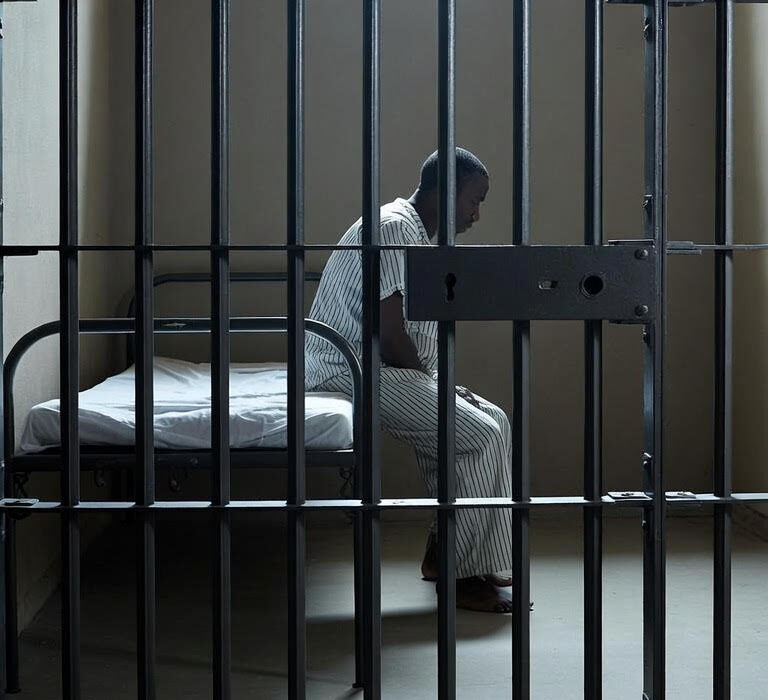
Sending someone to prison is not a neutral consequence. Prison is a violent punishment. Prison removes people from their families, jobs, and communities. It leads to lost income, lost housing, damaged mental health, and long-term barriers to employment. Parents miss birthdays and graduations. Children grow up without a parent at home. Entire families absorb the emotional and financial cost.
Prison is also a violent place to be. It is a very violent punishment.
Large criminal fines can have similar effects. A person who cannot afford thousands of dollars in fines and court costs may fall deeper into debt, lose transportation, struggle to keep housing, or face additional legal consequences simply because they are poor. Add in a new felony charge, limit a person’s ability to find gainful employment and the cycle is never ending.
These are serious government-imposed consequences. While they are legal punishments, they can profoundly disrupt a person’s life.
The purpose of criminal justice should be to protect the public, hold people accountable, and reduce future crime. When a nonviolent offense results in years of incarceration or crushing financial penalties, we should ask whether those outcomes actually make our communities safer?
Texas already classifies many offenses involving real harm to others as misdemeanors under certain circumstances. That raises an important policy question: if conduct that directly affects another person can sometimes be treated less severely than certain marijuana offenses, is the system applying punishment proportionately?
Reasonable people can disagree about marijuana policy. Some believe it should remain illegal. Others support legalization. But regardless of where someone stands on that debate, we should be able to agree on one principle:
Punishment should be proportional to the harm caused.
If the goal is public safety, then our laws should focus the harshest penalties on those who commit violence, exploit others, or threaten the safety of the community. Nonviolent offenses deserve accountability, but accountability does not always require imprisonment or life-altering financial penalties.
A justice system is measured not only by the laws it passes, but by whether those laws produce outcomes that are fair, effective, and consistent with the values of justice they are meant to serve.
Whether someone supports or opposes marijuana legalization, this is a conversation worth having—not because it excuses illegal conduct, but because every criminal penalty should be examined with the same question:
Does this punishment fit the crime, or does it create more harm than it prevents?