
A customer can cancel Prime. A town cannot cancel its new neighbor—especially when the neighbor already owns land that used to belong to the public.
08-17-26
By Michael Robinson | Uvalde Hesperian
News followed by commentary
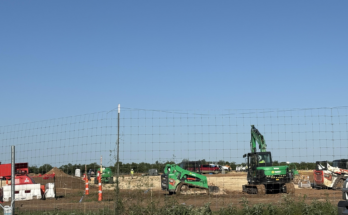
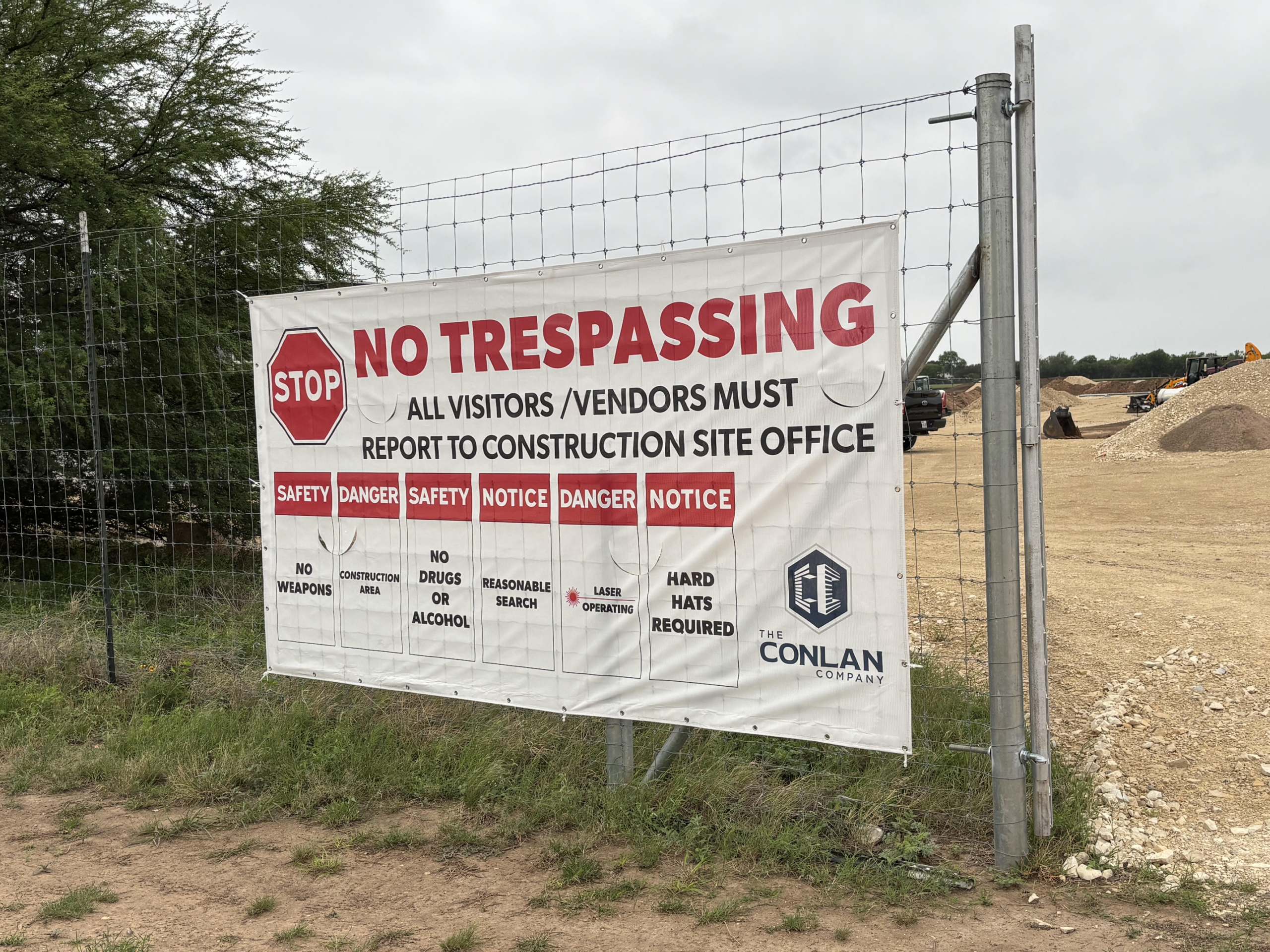
As construction continues on its new last-mile warehouse on land purchased from the City of Uvalde on March 2nd, Amazon notified its existing customers on August 14th on its Conditions of Use and Amazon Prime Terms & Conditions.
The following message was received as a text message from Amazon:
“Amazon: We have updated our Conditions of Use and Amazon Prime Terms & Conditions, effective August 14. The updated terms include (i) a mandatory pre-arbitration dispute resolution procedure, (ii) an arbitration agreement and class action waiver, and (iii) changes to the applicable law. Please read the full updated terms, including the arbitration agreement, here: https://a.co/d/0cKoMGOB and https://a.co/d/0b9WnuFM. As always, your continued use of any Amazon service constitutes your agreement to the Conditions of Use. Thank you for choosing Amazon. “
The updated terms effectively limit customers’ legal recourse for disputes to binding arbitration and prohibits a group of customers from utilizing a class action lawsuit.
According to an article from the Graduate School of Stanford Business it states:
“It’s the “mandatory arbitration” clause, and it’s in contracts that cover trillions of dollars of business. In the event you have a dispute with the company, it says, you agree in advance to surrender your right to sue and to submit your grievance to a supposedly neutral private arbitrator.
Almost every financial firm insists on mandatory arbitration, but so do legions of businesses in other realms: AT&T and Verizon, Amazon and Apple, Blue Cross and Blue Shield, even Spotify and Shazam.
Now, a new analysis of almost 9,000 arbitration cases from the securities industry confirms what many have long suspected: The system is biased against consumers — and not just because big companies have more money to spend on lawyers.
When it comes to arbitration, the study finds, companies have a big information advantage in fishing for arbitrators who are likely to rule in their favor.
Making matters worse, the arbitrators themselves know that being pro-company in one case greatly increases their chances of being picked for future cases.”
On February 18th, Jessica Breaux, Amazon’s senior manager of economic development replied.
“Hi Joe-
Yes, I am tracking the Council action needed in next week’s meeting. For the Council meeting, our preference would be to share as little detail as possible and our PR team suggests something like, “We are working with Amazon to develop a new facility to support customer delivery in Uvalde. The company will share additional details about their plans when they can. For any immediate questions, please reach out to amazon-Rr@amazon.com.” Any inquiries to that email address will go straight to our PR team so they can manage any questions until we’re able to complete the land transaction. ”
Commentary by Michael Robinson
- Amazon knew everything about the city’s finances, infrastructure capacity, and tax situation (they did due diligence)
• The city—and the taxpayers—knew nothing about Amazon’s real plans, timelines, or contingencies
The announcement has generated real excitement here, but residents want more than headlines—especially around jobs, timeline, and impacts.
- How many positions will this station create (full-time, part-time,
seasonal)? Any breakdown by role?
2. When do you expect construction to begin, and when will it be
operational?
3. How much of the facility’s operations will use robotics or AI—and
will that reduce human staffing over time?
4. What made this site ideal—land cost, incentives, highway access? Were
there tax breaks or grants?
5. Has Amazon completed traffic, noise, or environmental studies? What’s
the plan for truck volume and air quality?
6. Is this a standalone hub, or could it expand (e.g., drone operations,
air cargo)?
Later that same day, the Uvalde Hesperian received the following statement from Daniel Martin, Amazon Spokesperson: ““We’re exploring the development of a new facility to support faster customer delivery in Uvalde. Additional steps remain but we appreciate the great working relationship we have with local officials and will share more information as it becomes available.”
A customer can cancel Prime. A town cannot cancel its new neighbor—especially when the neighbor already owns land that used to belong to the public